
Generative AI in Architecture
From Image to Architecture Through Selection, Translation, and Discipline
Authored By: Sophia Goehner
Generative AI in Design
Generative AI is not a tool for representation. It is a medium for architectural thought.
This work begins with images—not as illustrations of ideas, but as their origin. Generated imagery operates as a field of possibility: excessive, unstable, and unresolved. Architecture emerges through the act of engaging this field—selecting, interpreting, and transforming it.
The process is not linear, but it can be named:
Generation←→ Selection←→ Curation←→ Translation←→ Integration←→ Resolution
Each step is an assertion of authorship. Each step reduces ambiguity while producing meaning.
What is generated is not yet architecture. It becomes architecture through discipline.
To work generatively is to accept a productive tension between image and building. Images are immediate, dense, and often incoherent. Buildings require logic, structure, and consequence. The role of the architect is to negotiate this gap—not by smoothing it over, but by working through it.
How Architecture Resolves the Image
AI-generated images do not resolve themselves. They remain excessive, ambiguous, and indifferent to reality. Architecture emerges through the act of resolution—through a sequence of disciplined operations that transform visual material into spatial, organizational, and material systems.
Resolution is not a final step, but a continuous process of reduction, clarification, and construction. It is the point at which the image is subjected to architectural judgment.
Generative work is defined by:
Relentless selection over passive acceptance — isolating what has spatial and conceptual potential while discarding the rest.<
Transformation rather than replication — reworking visual ideas into architectural systems rather than copying them.
The construction of spatial and organizational logic from visual material — turning appearance into structure, circulation, and use
The imposition of coherence onto variation — organizing inconsistency into legible systems and relationships
The integration of site, program, and use into initially indifferent form — grounding the work in context, performance, and occupation
Through these operations, the image is not preserved—it is tested, reduced, and rebuilt. What survives this process is no longer an image, but architecture.
Generative AI in Design
Generation
Study
NYC Street Variation 1
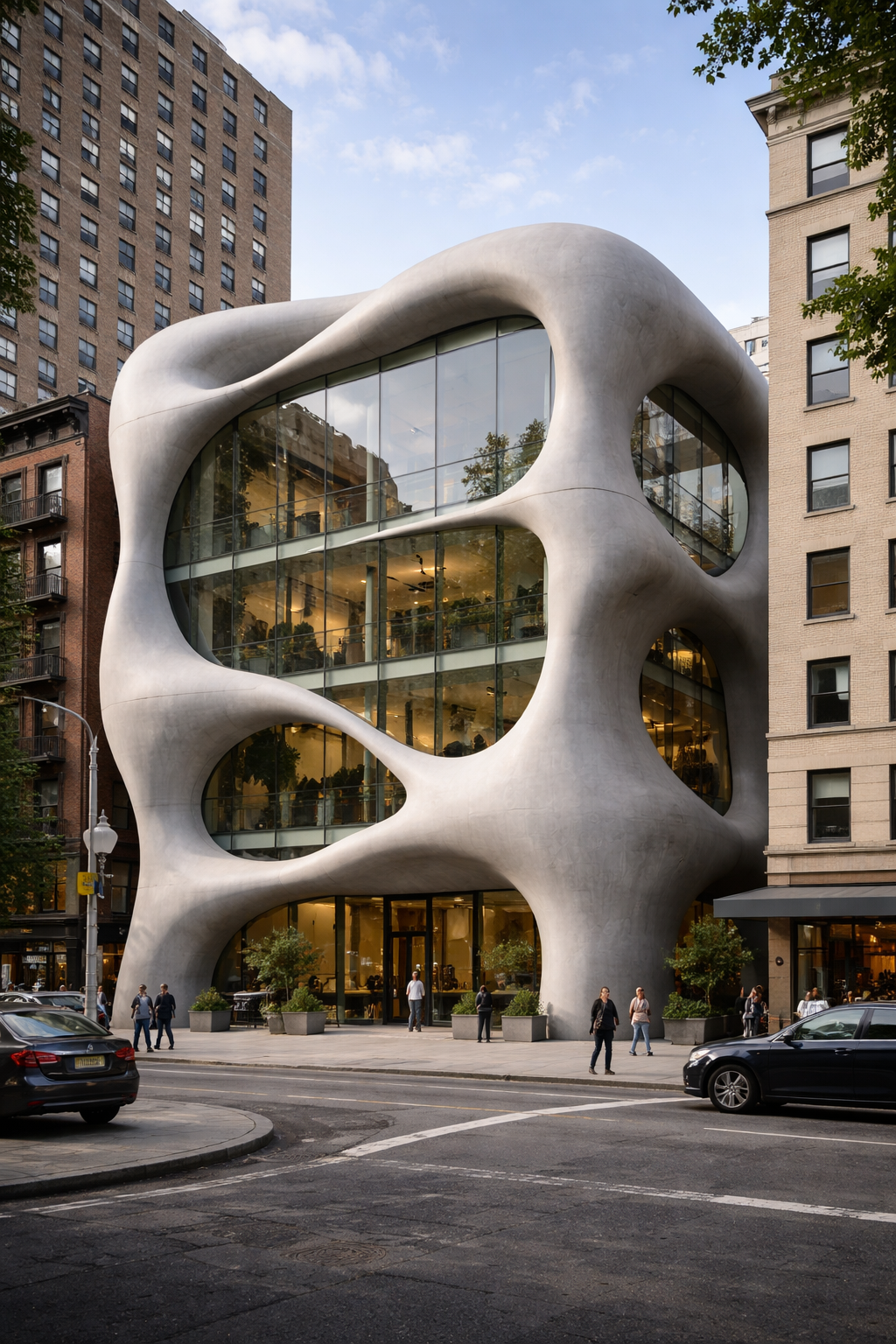
Study
NYC Street Variation 2
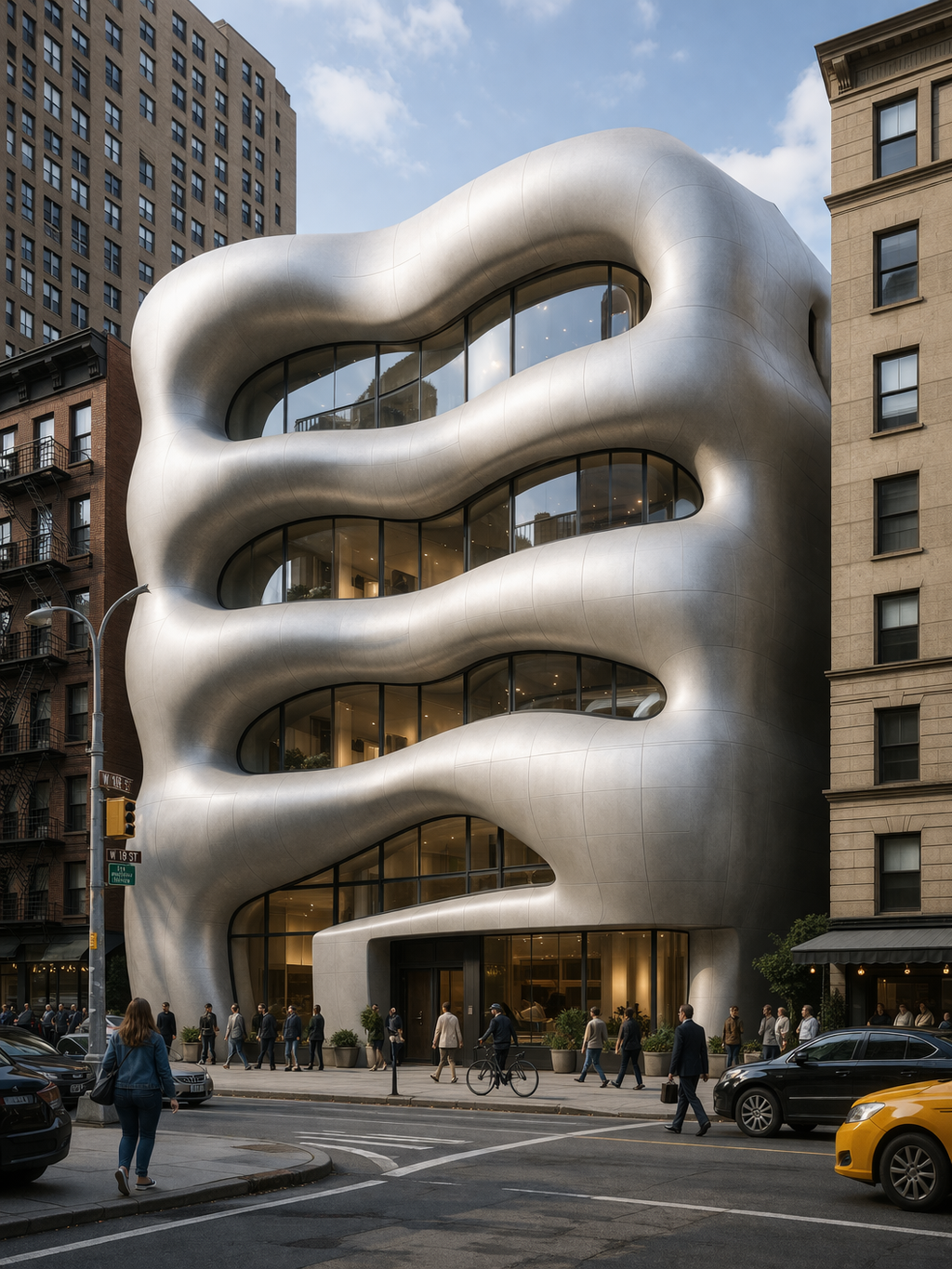
Study
NYC Street Variation 3
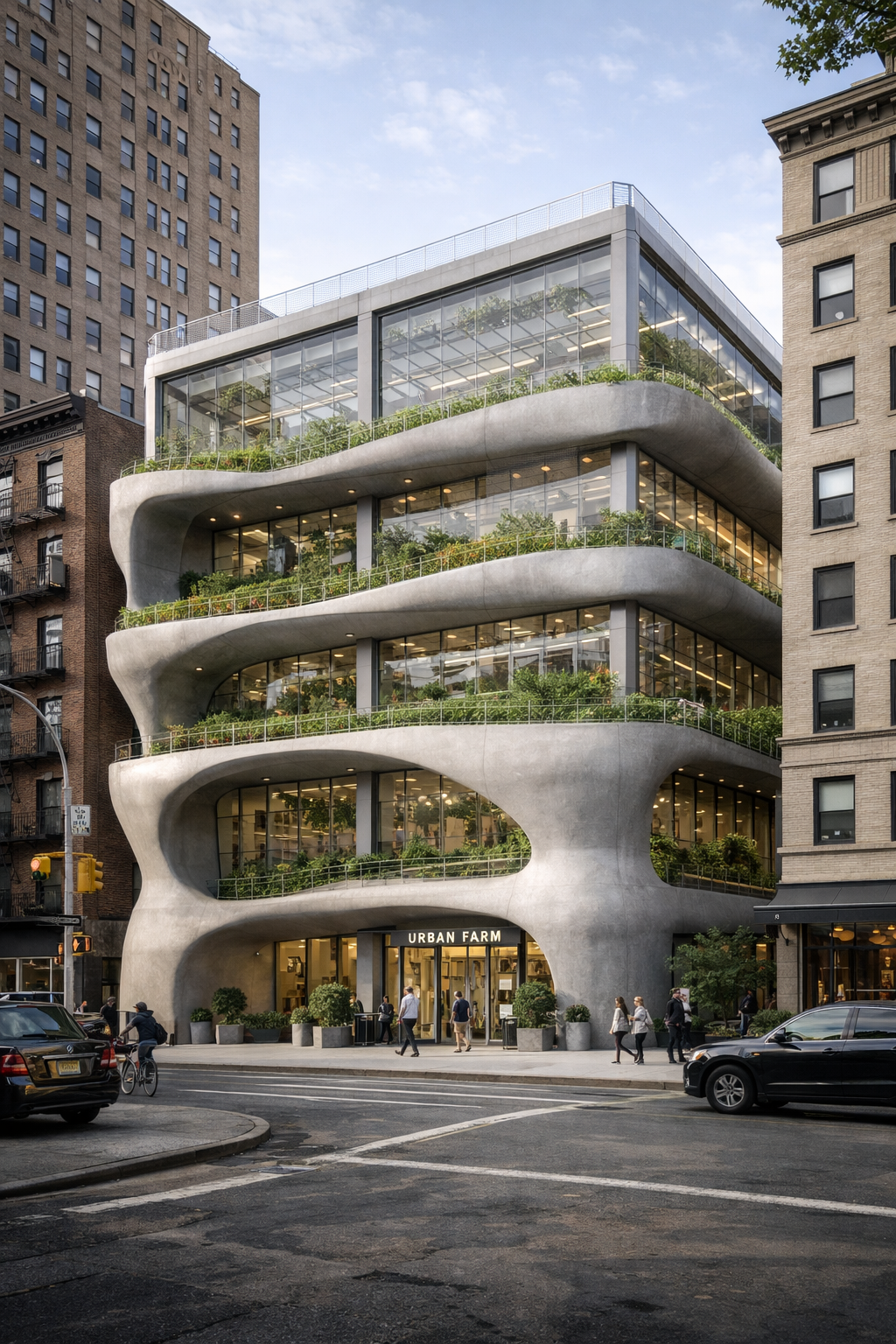
Selection --> Curation
Study
NYC Street Variation 1

Study
NYC Street Variation 2

Study
NYC Street Variation 3
Translation